Horse Riding in Saudi Arabia: The Complete Guide
You don't have to know much about horses to appreciate what they mean in Saudi Arabia. The Arabian horse is one of the oldest pure breeds on earth, developed over more than 2,500 years on the Arabian Peninsula by Bedouin tribes who depended on these animals for survival, warfare, and prestige. The bond between Arab culture and the Arabian horse runs deep enough that the Prophet Muhammad is said to have personally endorsed the breed, calling it a treasure. To ride one here, in the landscape that created it, is something genuinely different from a trail ride in the Scottish Highlands or a beach canter in Bali.
Saudi Arabia's horse riding scene has expanded significantly since tourism opened up in 2019. What was once limited to private equestrian clubs and royal stables is now accessible through licensed operators who run everything from beginner-friendly desert trail rides near Riyadh to serious multi-hour mountain rides through the Asir highlands. The horses are well-trained, the guides are experienced, and the settings are spectacular. This guide covers where to ride, what to expect, and how to choose the experience that suits you.
Desert Horse Riding Around Riyadh
The Najd desert around Riyadh is the natural home of the Arabian horse, and riding here feels like something that should have happened a thousand years ago and never really stopped. The terrain south and east of the city varies from hard-packed gravel flats to soft rolling dunes and dry wadis that cut between the plateau. A guided desert ride winds through all of this at whatever pace you're comfortable with, walking and trotting through open country with nothing ahead but sand, rock, and sky.
Beginner-friendly sessions near Riyadh run for one to two hours and keep things calm and controlled. You'll get a basic briefing on balance and steering, then head out with a guide at a walk that occasionally opens into a gentle trot on the flat sections. The horses used for these rides are the bombproof end of the spectrum: patient, responsive to light aids, unlikely to do anything dramatic. If you've never ridden before, you'll be surprised how quickly it clicks. If you're a confident rider looking for something more challenging, tell the operator when you book and they'll match you with a horse that has more forward energy and plan a route with longer open stretches for canter work.
Morning sessions are the obvious choice for desert riding around Riyadh from October through April. The light at 7 to 9 AM is beautiful, the temperature is cool, and the desert smells different in the early morning hours when the night air hasn't fully burned off. Evening sessions from 4 PM onward work beautifully in autumn and winter, with golden-hour light across the dunes making the photography absurdly good. Summer sessions (May to September) are limited to early morning or after sunset, which is a genuine constraint around Riyadh but less of an issue further north or in the highlands.
Prices for desert horse riding near Riyadh start around SAR 200 for a one-hour guided ride and typically include hotel pickup from central locations. Group sizes are usually kept to 4 to 8 riders. Most operators provide a short grooming and tacking session before the ride, which is a nice way to build a connection with your horse before heading out.

Mountain Horse Riding in the Asir Highlands
The Asir region around Abha is where desert riding becomes something else entirely. The terrain here is real mountain country: granite ridges, juniper forest, terraced hillside farms built from dry stone that have fed these valleys for centuries. The trails wind along contour paths that the local farmers have used for generations, with views that drop away suddenly over the escarpment edge toward the Tihama plain 2,000 metres below. On clear mornings in winter you can see the Red Sea glinting on the horizon.
Horse riding in the Asir highlands suits riders with some existing experience more than absolute beginners, simply because the trails involve steeper terrain and tighter paths than the open desert. The horses used by local operators are mountain-bred and sure-footed, used to the terrain in a way that should give you confidence, but you do need to be comfortable following the horse's lead on the technical sections rather than fighting it. An experienced guide leads the group at a pace suited to the least confident rider, so nobody feels left behind.
A half-day mountain trail ride in Asir typically covers 8 to 12 km and runs from 3.5 to 4.5 hours in the saddle, with stops at viewpoints and a break for refreshments at a midpoint that usually overlooks a particularly dramatic valley or hillside. The combination of altitude (you're riding at around 2,000 metres), cool air, dense vegetation and those vast escarpment views makes this one of the most scenic riding experiences in the entire Middle East. It doesn't feel like the Arabian Peninsula most people imagine. It feels like somewhere completely its own.
Full-day rides are available for experienced riders wanting to cover more ground, including routes that cross the escarpment edge and descend partway into the lower terracing below the plateau. These are genuinely challenging rides on fit horses, covering 20 km or more with significant elevation change. Contact operators directly to arrange custom routes at this level. Prices for the standard half-day highland ride start from SAR 380 per person including guide and refreshments.
Best seasons: Desert riding around Riyadh is best from October through March. Asir mountain riding is excellent October through April, with the added bonus of spring wildflowers in February and March. The summer months (June to August) bring the Asir monsoon season, which turns the mountains green and atmospheric but can make trails slippery and limit riding days.
AlUla: Riding Through Ancient History
AlUla offers the most culturally layered horse riding experience in Saudi Arabia, and arguably in the entire region. The wadi floor between the sandstone outcrops contains traces of ancient Nabataean and Lihyanite caravan routes, and riding through the valley on a well-schooled Arabian horse while the rock formations tower overhead creates a sense of time collapsing that is hard to describe and genuinely memorable.
Equestrian experiences in AlUla are tied into the broader tourism ecosystem centred on the Hegra archaeological site and the ancient oasis town. Guided horse rides through the wadi floor and around the rock formation areas run for 1.5 to 2 hours and can be combined with a heritage tour of the Nabataean tombs for a full-day programme. The horses used at AlUla are typically the most polished in terms of presentation, as equestrian tourism is a flagship offering in the wider AlUla experience portfolio and the operators invest accordingly.
Horse riding at AlUla fits naturally alongside the region's other aerial and adventure activities. Riders who combine an early morning hot air balloon flight with an afternoon wadi horse ride get to experience the same extraordinary landscape from two completely different perspectives: the vast aerial view of the geology from 600 metres up, and then the intimate ground-level relationship with the rock and the silence that you only get on horseback or on foot. It's one of the best activity combinations in the country.
Horse Riding at the Red Sea Coast
Beach horse riding near Jeddah is a category of its own and deserves mention. The Red Sea coastline north and south of the city offers long stretches of firm sand ideal for cantering, with the visual backdrop of blue water, coral islands on the horizon, and the warm coastal light that makes golden-hour photography effortless. Beach rides near Jeddah typically run in the early morning or late afternoon to avoid midday heat, covering 6 to 10 km of coastline at a mix of walk, trot and canter depending on rider confidence.
The contrast between a desert interior ride and a beach ride on the same trip is striking. The horses behave differently on sand near water, typically more forward and energised by the sea air, and the footing on firm wet sand is safe and comfortable for extended canter work in a way that soft desert dune sand isn't. If you're visiting Jeddah and want one outdoor adventure that combines physical activity with extraordinary scenery, the beach horse ride is one of the better-kept secrets among activity options in the city.
Coastal rides pair well with other Jeddah water activities. Spend the morning on horseback on the beach, then switch to a Red Sea snorkelling trip in the afternoon to see the same coastline from completely underwater. Prices for coastal rides near Jeddah start from SAR 220 per person for a 1-hour guided session.
What to Expect: Booking, Preparation, and Practicalities
Most horse riding operators in Saudi Arabia cater for a wide range of experience levels and are used to working with tourists who have never sat on a horse before. That said, a few things are worth knowing before you book.
Tell your operator honestly about your riding experience when you book. Not to impress them, but so they can match you with a horse and a route that will actually be enjoyable rather than stressful. Operators don't judge ability levels; they just want to make sure the horse and the route are a good fit. Saying "I've ridden twice, years ago, and I'm not very confident" is more useful than "I've ridden before" and getting put on a forward-going horse on a technical mountain trail.
Wear long trousers for any desert or mountain ride. Shorts and bare legs against a saddle will be uncomfortable within 20 minutes. Closed-toe shoes or ankle boots with a small heel (a trainer with a defined heel works fine) prevent your foot sliding through the stirrup. A hat or cap is worth bringing for sun protection on desert rides. Most operators will not provide riding helmets as standard, though some do for children. If helmet safety is important to you, ask when booking whether they can be provided.
Hydration matters more than people expect. Even on a one-hour morning desert ride in winter, you're in the sun on a moving animal and the dry air draws moisture quickly. Bring a water bottle or check that the operator provides water as part of the activity. For anything over 2 hours, carry more than you think you need.
Photography is possible but takes some planning on horseback. The easiest approach is to stop briefly at a viewpoint for photos and then continue. Trying to photograph while moving at trot or canter is technically challenging and distracts from the ride itself. The guides are generally happy to pause at scenic moments if you ask in advance.
Horse Riding for Families and Children
Horse riding in Saudi Arabia is genuinely accessible for families with children. Most operators accept riders from age 8 upward, with children under 12 usually led on a lead rein by the guide rather than riding independently. This keeps things safe and calm while still giving the child the full sensory experience of being on a horse, feeling the movement, and seeing the landscape from horseback.
Family desert rides near Riyadh are particularly well-suited to mixed-ability groups because the flat terrain allows the group to stay together easily. A confident parent on a forward-going horse can ride alongside a child being led, which is logistically much simpler than mountain trails where the group has to string out single-file. Plan for a 1-hour session for children under 10; 1.5 to 2 hours works well for children 10 and over.
Some operators offer miniature camel or pony experiences alongside the full horse rides for very young children, which can work well for a family where the younger kids aren't yet old enough for a full horse ride but want to participate in something. The camel trekking experience near Riyadh is a natural companion activity to a horse ride if you want to let the kids experience both iconic Arabian animals in a single afternoon.

Combining Horse Riding with Other Adventures
Horse riding slots neatly into a broader adventure itinerary without dominating it. A morning horse ride and an afternoon quad biking session covers the same desert landscape on two completely different powerplants, and the contrast between the quiet, relationship-driven experience of riding a horse and the mechanical roar of a quad bike is genuinely interesting. Both are excellent. They're just excellent in completely different ways.
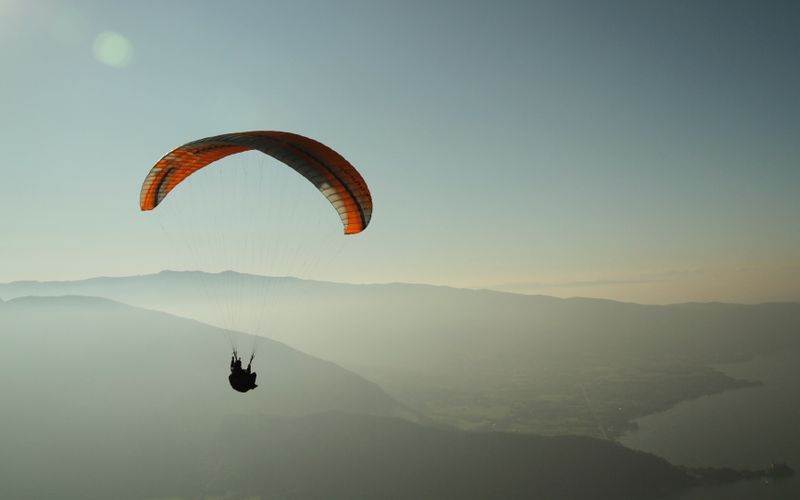
In AlUla, pairing a morning horse ride through the wadi with an afternoon heritage tour of Hegra gives you the landscape from the saddle and then the archaeology on foot, which makes for a full and layered day. In Abha, combining an early morning horse ride above the escarpment with an afternoon tandem paragliding flight from the same ridge means you see the mountain landscape from ground level on horseback and then from 800 metres above on a wing. Both experiences complement each other in a way that neither alone quite achieves.
For an authentic cultural experience that goes beyond just riding, ask your operator about falconry integration. Several equestrian operators in Riyadh and AlUla offer combined sessions where you spend an hour with a falconer handling saker or peregrine falcons before transferring to the riding activity. The combination of two of Saudi Arabia's most historically significant animal traditions in a single session is genuinely memorable and not something you can easily replicate anywhere else in the world.
Ready to Ride?
Horse riding in Saudi Arabia is one of those activities that people don't put on their list and then spend the rest of their trip wishing they had. The landscape is extraordinary, the horses are exceptional, and the cultural resonance of riding an Arabian horse in Arabia adds a layer of meaning that makes the experience stick in the memory long after the ride is over.
Browse the full range of horse riding experiences and desert adventures on SaudiActivities, including options across Riyadh, AlUla, Jeddah, and the Asir highlands. All activities include certified guides and, where available, hotel pickup. WhatsApp booking is available for instant confirmation. Your horse is waiting.